The global textile industry is facing a fiber supply crisis. With demand for textiles and nonwovens rising every year, the world is running out of sustainable options. Cotton alternatives are urgently needed as climate change reduces yields, while overreliance on synthetic fibers drives fossil fuel dependence and microplastic pollution. Fragile supply chains leave brands vulnerable to price shocks, geopolitical disputes, and transportation delays. This post explores why the world needs next-generation fibers and why Zylotex, a Canadian company pioneering hemp-based lyocell, is emerging as the most resilient and climate-smart solution.
A System Under Pressure
For centuries, cotton, linen, wool, and silk were the backbone of textiles. The industrial revolution added synthetics, polyester, nylon, and acrylic, and the modern consumer era exploded fiber consumption. Today, global fiber production surpasses 124 million tonnes annually, and demand is projected to keep climbing. Yet the fiber system we depend on is reaching its breaking point.
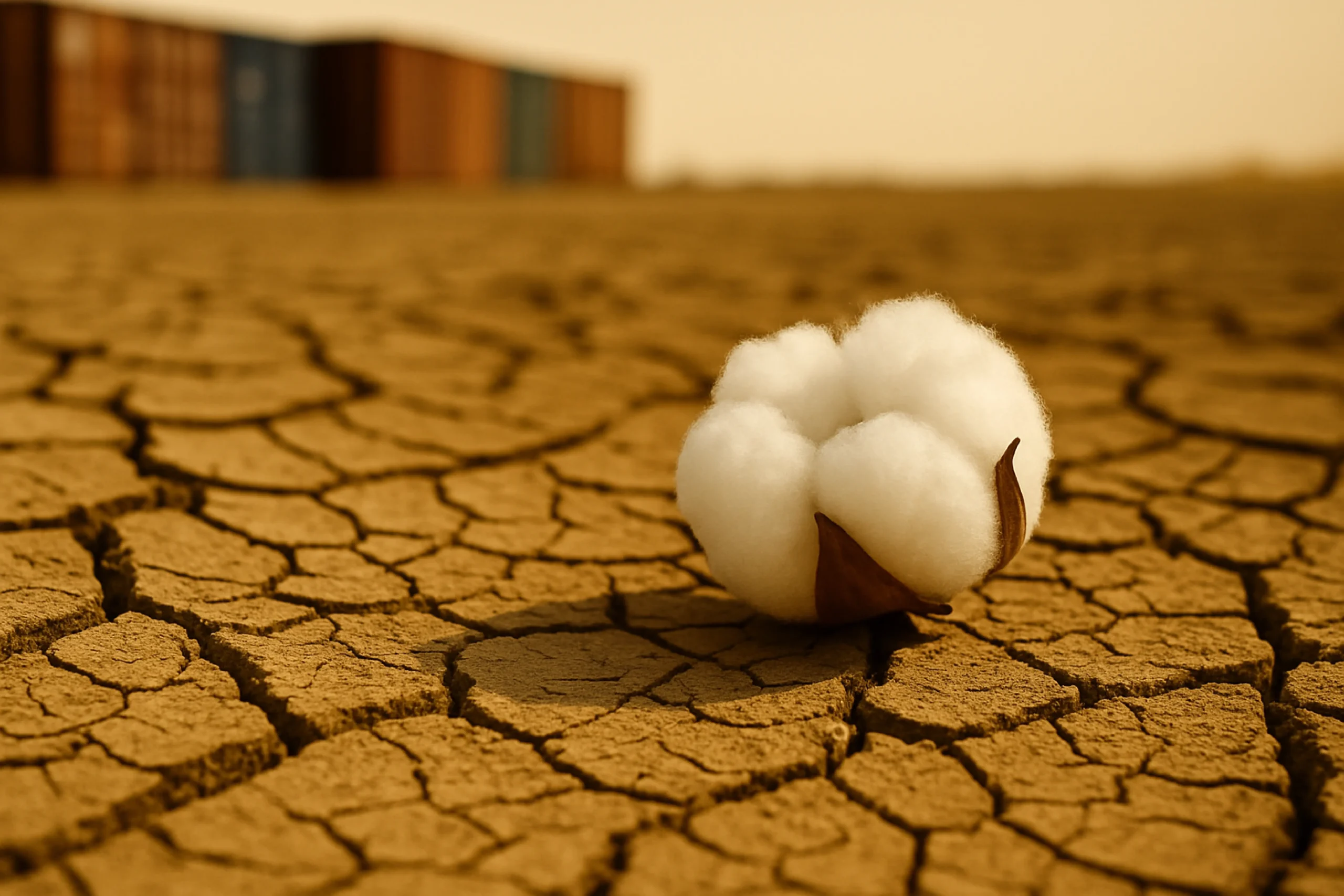
Cotton fields are struggling with drought, pests, and degraded soils. Synthetic fibers may be cheap, but they are rooted in oil and gas. Even wood-based viscose and lyocell, once considered sustainable alternatives, are now criticized for driving deforestation.
This pressure leaves brands, manufacturers, and policymakers asking the same urgent question: what comes next?
Cotton: A Natural Fiber With Natural Limits
Cotton is often marketed as “natural” and “renewable,” but its environmental footprint tells a different story.
- Water intensity: Producing a single kilogram of cotton can require 10,000–20,000 liters of water, depending on growing region and irrigation practices. In parts of India and Central Asia, cotton cultivation has contributed to aquifer depletion and even the shrinking of the Aral Sea.
- Pesticides and inputs: Cotton accounts for nearly a quarter of the world’s insecticide use. This chemical dependence strains ecosystems and farmer health.
- Land competition: Cotton fields take up millions of hectares of prime farmland, directly competing with food crops in regions where arable land is already scarce.
- Climate vulnerability: Cotton yields fluctuate wildly with weather extremes. Droughts, floods, and shifting rainfall patterns leave farmers, and the brands relying on them, exposed.
For decades, the fashion industry has depended on cotton as its “go-to” natural fiber. But the cracks are showing. Even with organic cotton and Better Cotton initiatives, the reality is clear: cotton cannot scale to meet growing global demand in a sustainable way.
Synthetics: Cheap, Ubiquitous, and Problematic
If cotton is the past, synthetics have been the present. Polyester, nylon, and acrylic now make up over 60% of global fiber production. Their dominance is based on low production cost, durability, and easy scalability.
But synthetics come at a price:
- Fossil fuel dependence: These fibers are petrochemicals in disguise. Every meter of polyester fabric is tied to oil extraction, refining, and greenhouse gas emissions.
- Microplastic pollution: Each wash of synthetic clothing releases microscopic fibers into waterways. Scientists have found these particles everywhere — in oceans, drinking water, air, and even human bloodstreams.
- Persistence: Unlike natural fibers, synthetics do not biodegrade in any meaningful timeframe. They linger for centuries, breaking down into smaller and smaller pollutants.
What was once hailed as “the miracle of modern textiles” is now understood as a major environmental liability. Governments, NGOs, and consumers are calling for synthetic fiber replacements that deliver performance without pollution.
Wood-Based Fibers: A Mixed Blessing
The rise of viscose and lyocell offered hope: cellulosic fibers that mimic cotton’s softness while being produced industrially. But scale comes with trade-offs.
Viscose production has historically relied on carbon disulfide, a toxic chemical harmful to workers and communities. Lyocell, a cleaner, closed-loop process, is far better, but its reliance on dissolving pulp from wood raises new concerns. Sourcing pulp at scale often means harvesting forests, competing with paper markets, and adding pressure to biodiversity.
In short: while wood-based fibers are an improvement over cotton and synthetics, they still carry supply and environmental risks.
Supply Chain Fragility: Lessons From Crisis
Beyond the fibers themselves, the way textiles move through the world is deeply fragile. The pandemic revealed the weakness of globalized supply chains: shipping containers stranded in ports, prices surging, raw materials delayed for months.
- Geopolitics: Cotton imports from regions like Xinjiang, China have been restricted due to forced labor concerns. Trade disputes between the U.S., China, and India add uncertainty to global fiber flows.
- Transportation emissions: Shipping bales of cotton or polyester across oceans adds carbon to already heavy footprints.
- Concentration of power: A handful of countries dominate global supply, leaving others vulnerable to shifts in policy, weather, or politics.
For Canadian and North American brands, this means dependency. Local garment makers and nonwoven producers rely almost entirely on imports — a risky proposition for industries trying to build climate-resilient supply chains.
The Fiber Gap: A Growing Chasm
Put together, these pressures point to one unavoidable reality: the world faces a fiber gap. Demand is rising, but the old solutions are unsustainable.
- Cotton cannot sustainably expand.
- Synthetics must be phased down for climate and pollution reasons.
- Wood-based fibers face ecological and scalability limits.
The gap is wide open for a next-generation fiber that is scalable, low-impact, and regionally resilient. This is where hemp — and Zylotex — enters the story.
Why the World Is Searching for an Answer
Consumers are voting with their wallets, choosing eco-labeled textiles and demanding transparency. Brands are making public commitments to reduce polyester, scale alternatives, and eliminate deforestation from supply chains. Policymakers are introducing extended producer responsibility laws, microplastic regulations, and carbon reduction targets.
Yet many of these promises remain stuck in theory, not practice, because the alternatives haven’t been ready. Brands want cotton alternatives, but lack scale. They want synthetic replacements, but need performance. They want secure supply chains, but face fragile global networks.
The demand is clear. The solutions are not.
Looking Ahead
That is where Zylotex comes in. By transforming Canadian hemp straw, an abundant, low-value agricultural byproduct, into ZyloPulp® dissolving pulp and ZyloTex™ hemp lyocell fibers, Zylotex is pioneering a path forward.
In the next installment of this series, we’ll explore why hemp is the feedstock the world has been waiting for, how lyocell works, and why combining the two creates the most promising fiber alternative of our time.
Want to learn more?
Connect with us to learn more about the future of textiles with ZyloTex.