THE SCIENCE

Zylotex is developing a cellulose materials platform that transforms underutilized agricultural residues into high-purity cellulose, regenerated fibres and next-generation advanced materials. By combining feedstock innovation, proprietary processing and fibre development, we are creating new pathways from abundant biomass to high-performance materials.

The Zylotex Cellulose Platform

1. High-Cellulose Feedstocks

We begin with underutilized lignocellulosic feedstocks, including agricultural residues such as hemp straw. Through feedstock selection and preprocessing, we isolate cellulose-rich fractions suitable for high-value material applications.

2. Refining to ZyloPulp®

The feedstock is refined into ZyloPulp®, a high-purity cellulose platform engineered for downstream fibre and materials applications. Processing is designed to remove unwanted components while controlling the properties required for conversion.

3. Preparing the Cellulose Solution

ZyloPulp® can be dissolved in a closed-loop solvent system to create a uniform cellulose solution for regenerated fibre production. Chemistry and process conditions can be tuned depending on the desired material properties.

4. Creating Fibre and Advanced Materials

The cellulose platform can be converted into ZyloTex® regenerated fibre and further engineered toward high-strength, hydrophobic and carbonizable material pathways for textile and advanced-material applications.

Why hemp?

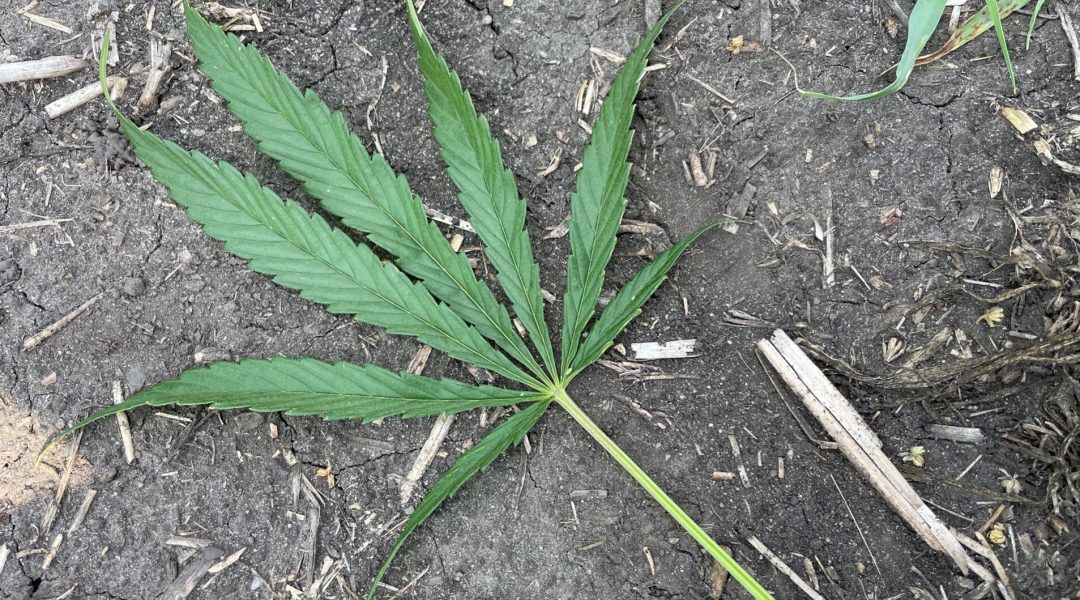
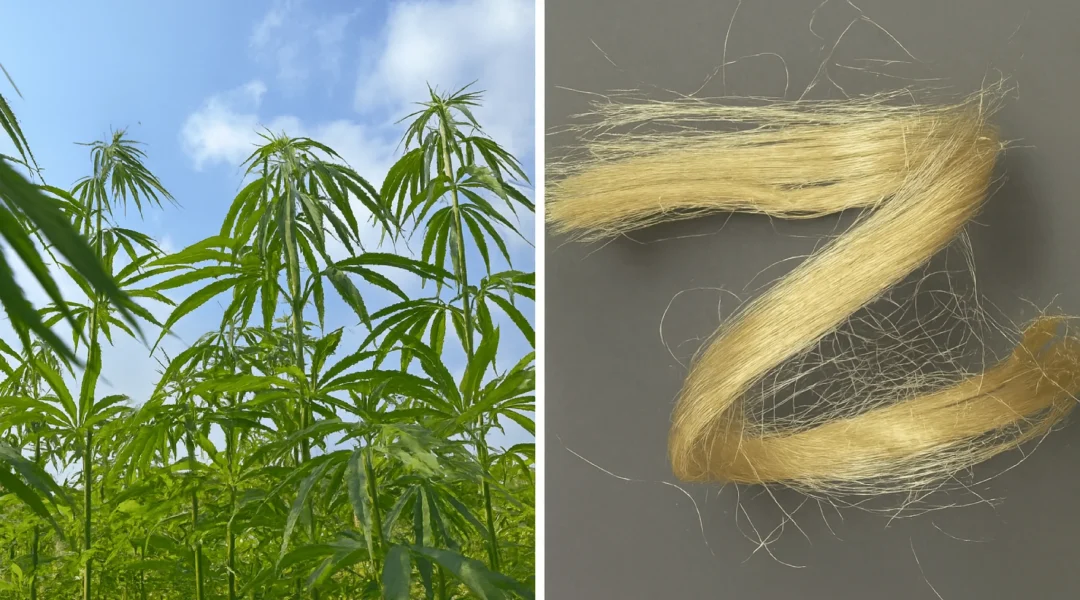
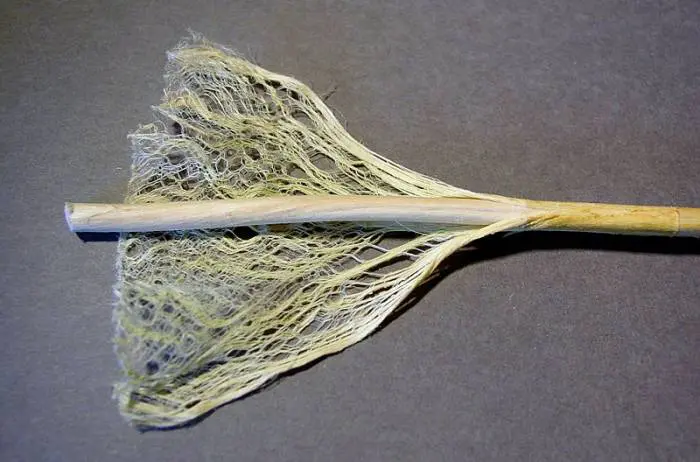
Hemp is an especially valuable feedstock for Zylotex because both the bast fibre and hurd contain significant cellulose that can be refined into high-value materials. Using multiple fractions of the stalk creates more value from a single crop and supports a whole-stalk approach to cellulose production.

Grown widely across the Canadian Prairies, hemp produces abundant agricultural residue and can provide a reliable regional source of cellulose-rich biomass. It is an important starting point for Zylotex’s platform, while our broader technology is being developed to work with a range of underutilized high-cellulose feedstocks.

By turning agricultural residues into high-purity cellulose, fibres and advanced materials, Zylotex is creating new value from resources that are often underused today.

What is lyocell?

Lyocell is a regenerated cellulosic fibre made by dissolving purified cellulose and reforming it into continuous filaments. Unlike traditional viscose production, the lyocell process uses N-methylmorpholine N-oxide (NMMO) in a closed-loop solvent system, with more than 99% of the solvent typically recovered and reused.

Because lyocell begins with cellulose rather than a fossil-based polymer, its performance can be influenced by the purity, molecular properties and source of the pulp used to make it.

For Zylotex, lyocell is one important pathway for converting ZyloPulp® into high-performance regenerated fibres while providing a platform for further material development.

Why hemp + lyocell?

Most regenerated cellulose fibres today begin with wood-derived pulp. Zylotex is expanding that feedstock base by using high-cellulose agricultural residues, including hemp bast and hurd, to create new sources of dissolving pulp.

Hemp is especially attractive because it produces multiple cellulose-rich fractions within a single crop. That creates an opportunity to use more of the stalk, increase the value of agricultural residues, and build a regionally sourced feedstock stream for cellulose production.

Combined with the closed-loop lyocell process, these feedstocks can be converted into high-performance regenerated fibres while reducing reliance on conventional fibre sources and globally concentrated supply chains.

For Zylotex, hemp is not the endpoint. It is one of the most promising starting materials for a broader cellulose platform designed to support commercial fibres today and next-generation materials tomorrow.

Stay up to date with Zylotex

Read the latest news and developments from the Zylotex team.