The textile industry is searching for solutions that address supply chain resiliency, cotton alternatives, and synthetic fiber replacements while reducing environmental impact. Zylotex delivers exactly that: a Canadian closed-loop textile supply chain powered by hemp-based lyocell fibers. With ZyloPulp™ hemp dissolving pulp and ZyloTex™ fibers, Zylotex is creating a climate-smart pathway to microplastic-free textiles, low-carbon fabrics, and next-generation fiber infrastructure. This article explains why Zylotex is more than a company. It is the answer to the global fiber crisis.
Bringing the Threads Together
In Part 1, we explored the growing fiber gap: cotton can’t sustainably expand, synthetics are choking ecosystems, and wood-based fibers face ecological and scalability limits. In Part 2, we introduced hemp-based lyocell, a breakthrough that combines the agronomic advantages of hemp with the closed-loop sustainability of lyocell.
Now, it’s time to connect those ideas to action. Zylotex isn’t just developing a new fiber — it’s building an entirely new model for textiles.
The Zylotex Model: Farmer to Fiber
At its core, Zylotex is about resiliency and locality. Instead of depending on fragile imports, we are creating a Canadian ecosystem:
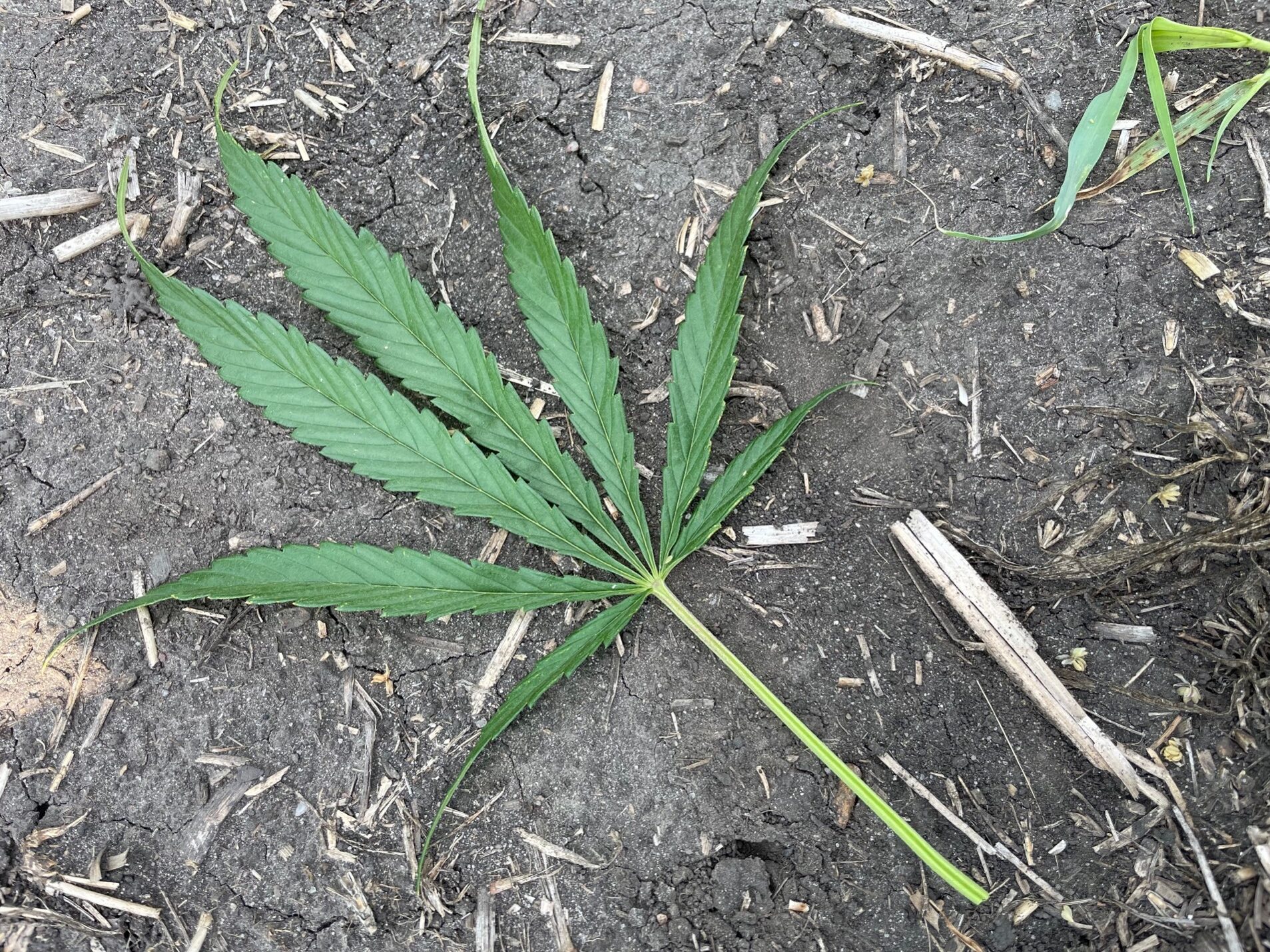
- Farmers grow hemp primarily for grain or nutraceuticals.
- Hemp straw, once considered a low-value byproduct, is collected.
- Zylotex processes the straw into ZyloPulp™ dissolving pulp.
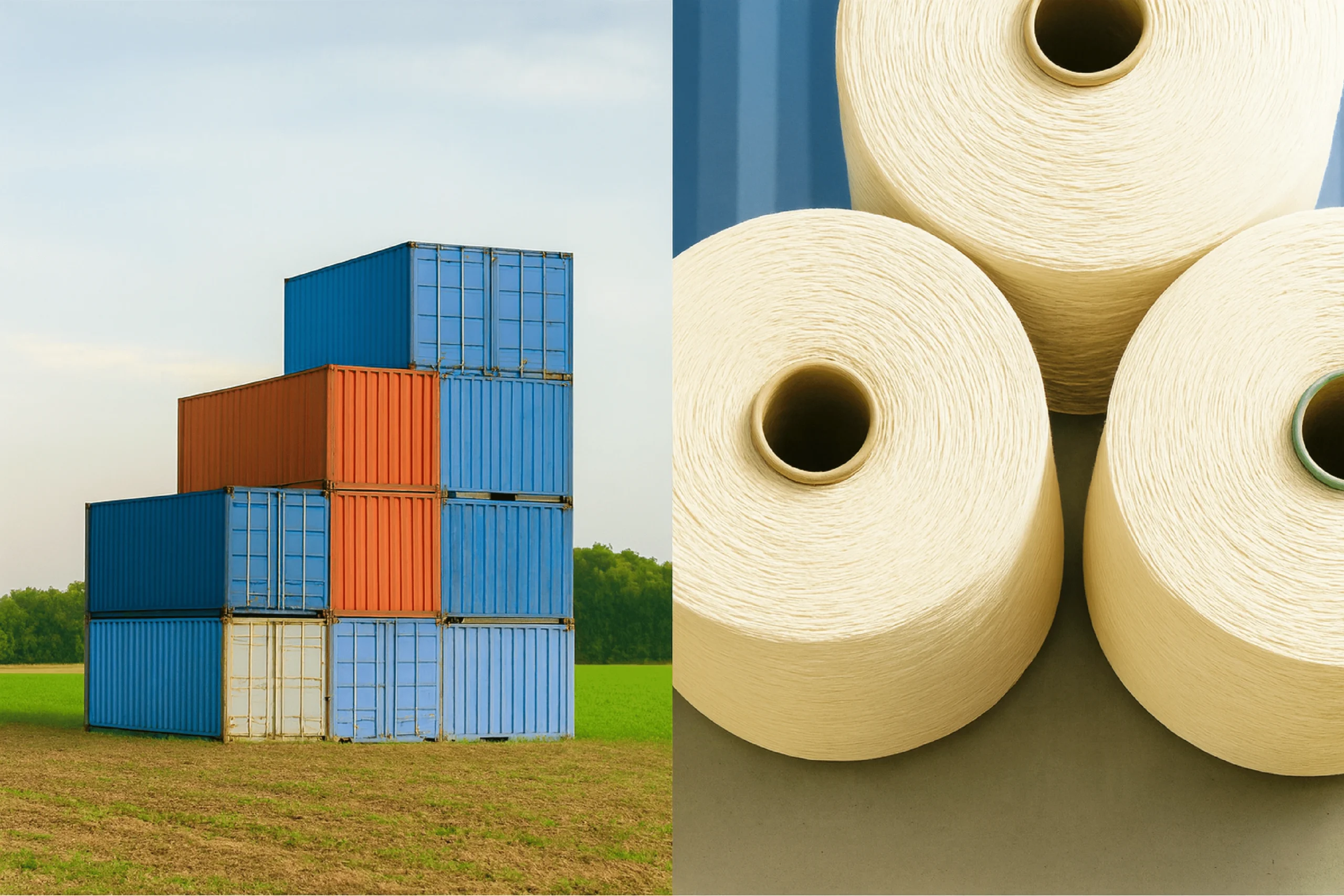
- ZyloPulp™ is transformed into ZyloTex™ lyocell fibers.
- Those fibers go into apparel, nonwovens, and technical textiles.
- At end-of-life, ZyloTex™ biodegrades, returning safely to the environment.
This is a closed-loop, Canadian-grown, Canadian-made textile supply chain.
Building Resiliency Into the System
Resiliency means more than having a new material. It means:
- Reducing import dependency: Canada currently imports nearly all of its textiles. Zylotex provides a local supply base.
- Economic diversification: Farmers gain new revenue from straw, processors gain contracts, and brands gain stable domestic partners.
- Climate stability: By shortening supply chains and lowering emissions, Zylotex creates a pathway aligned with carbon reduction goals.
- Geopolitical security: A regional fiber supply is not at the mercy of international disputes or shipping bottlenecks.
In other words, Zylotex builds future-proofing into the textile industry.
Why Brands Need Zylotex
Brands are under mounting pressure from consumers, regulators, and investors to reduce their footprints. Yet many are stuck, unable to scale alternatives beyond small capsule collections.
Zylotex changes the equation by offering:
- Cotton alternatives that require less water and land.
- Synthetic replacements that eliminate microplastic pollution.
- Scalable supply that can grow with demand.
- Credible sustainability rooted in Canadian agriculture and industrial innovation.
By partnering with Zylotex, brands can meet sustainability commitments while securing a resilient long-term supply.
Why Farmers Benefit
For decades, hemp straw has been undervalued. By turning it into a premium input for textiles, Zylotex creates:
- A new revenue stream for farmers already growing hemp for grain or nutraceuticals.
- Opportunities for regional infrastructure (decortication, pulping, fiber spinning).
- Participation in the circular economy, where every part of the crop has value.
This is farmer diversification in practice, keeping value close to home.
Why Policymakers and Investors Should Care
Textiles are not just about clothing. They represent a strategic sector with implications for:
- Climate goals: Zylotex fibers reduce emissions and water use compared to cotton and synthetics.
- Job creation: Building new processing and manufacturing infrastructure means skilled, future-oriented employment.
- Industrial independence: Canada can secure its place in the next wave of sustainable industries, instead of relying on imports.
Supporting Zylotex means investing in next-generation fiber infrastructure that benefits the economy, environment, and society.
Zylotex as the Answer
Let’s return to the original question: why Zylotex?
Because Zylotex delivers on every front:
- Sustainability: Hemp-based, biodegradable, low-carbon.
- Performance: Durable, soft, breathable, versatile.
- Resiliency: Local supply chains, reduced dependency on imports.
- Scalability: Built on abundant hemp straw and proven lyocell technology.
Zylotex doesn’t just solve a fiber problem. It answers the deeper challenge of how we build a textile system that is climate-smart, resilient, and ready for the future.
Call to Action: Join the Movement
The shift to next-generation fibers cannot be done alone. That’s why Zylotex is calling on all stakeholders to be part of the solution:
- Brands: Partner with us to test and scale ZyloTex™ in apparel, technical textiles, and nonwovens.
- Farmers: Collaborate to supply hemp straw and diversify farm revenues.
- Investors: Support the infrastructure needed to commercialize hemp-based lyocell at scale.
- Consumers: Choose products that are natural, biodegradable, and Canadian-made.
The textile industry needs answers. Zylotex is delivering one.
Closing Thought
The world is in search of sustainable, resilient solutions. By marrying hemp’s natural advantages with lyocell’s proven process, Zylotex provides a clear and immediate pathway forward.
So when the question is asked — what comes next for textiles? — the answer is already here.
The answer is Zylotex. THE FUTURE OF TEXTILES IS HERE.
Want to learn more?
Connect with us to learn more about the future of textiles with ZyloTex.