Reclaiming Hemp: How the World Forgot Its Most Useful Crop
By Lelia Lawson, Founder & CTO, Zylotex Inc.
I have come to expect a certain pause whenever I tell someone we build advanced fibre technology from industrial hemp. It’s almost comical: the polite nod, the raised eyebrow, the split-second calculation.
“Oh… cannabis?”
No malice, just a cultural reflex. For decades we’ve collapsed two completely different plants, industries, and intentions into a single word. And in doing so, we’ve sidelined one of the most capable crops on earth.
So, this is my attempt to reclaim a bit of narrative space. Because industrial hemp is not cannabis, and Canada’s and the globe’s future bioeconomy depends on us learning the difference.
The Crop Everyone Has Forgotten How to See
There is something tragic about hemp’s story. For centuries it was the fabric of civilization, literally. Sails, ropes, parchment, cloth, oil, protein, paper, medicine, fuel. If you could build it, bind it, or write on it, hemp played a role.
Then prohibition threw the baby out with the bathwater. A fibre crop became entangled in drug policy, and the world forgot it existed.
We’re only now remembering that hemp is one of the most efficient, regenerative, and versatile biomaterials we have ever cultivated. Ironically, just as climate change forces agriculture, textiles, and chemistry to reinvent themselves, this “forgotten crop” walks back into the story wearing the exact cloak we need: low-impact cellulose.
Industrial Hemp ≠ Cannabis — Different Purpose, Different Nature
The combining of the two is understandable, but not accurate. Nor forgivable.
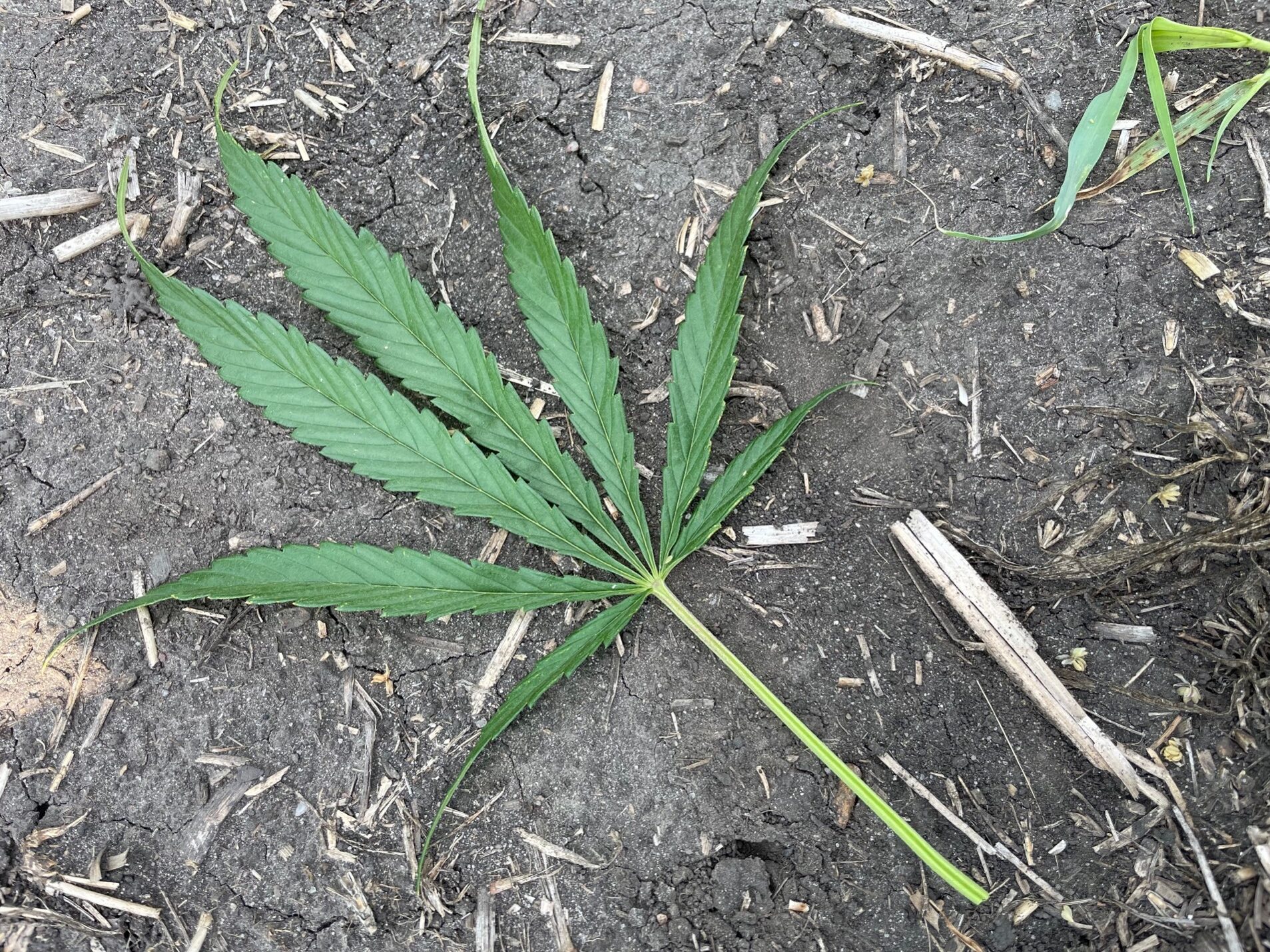
Industrial hemp is genetically distinct, bred for fibre and grain. It is non-psychoactive, containing less than 0.3 percent THC. It is grown for biomass, not buds. Most hemp farmers I know don’t look like cannabis growers. They look like grain farmers, oilseed growers, rotational crop stewards. Because that’s who they are. And hemp isn’t here to alter moods. It’s here to clothe, shelter, insulate, feed, strengthen, and regenerate.
Maslow Had It Right: Food, Shelter, Clothing
One of the simplest ways to explain hemp is through Maslow’s hierarchy of needs: food, shelter, clothing. Hemp does all three.
Its seed can feed people and animals. Its hurd can build walls, blocks, insulation, and biocomposites. Its bast fibre can be spun into textiles or refined into dissolving pulp for advanced materials like lyocell.
This tiny cluster of green stalks can help civilization feed itself, house itself, and dress itself. That is not fringe. That is foundational.
Why Zylotex Chose Hemp
People ask why we didn’t start with trees, like everyone else, or cotton, which people already recognize. My answer is both scientific and personal: hemp is the best cellulose source we have for next-generation fibres.
It offers higher yield per hectare, two feedstocks instead of one, roots that restore rather than drain soil, and increase environmental benefits that would make an ecologist smile. Most of all, hemp grows here. On the Prairies, in our rural communities, within a supply chain that Canada can actually own.
We didn’t choose hemp because it is provocative. We chose it because it is smart.
But Perception Still Gets in the Way
Despite all of this, the shadow of cannabis stigma lingers. Investors occasionally worry about categorization. Banks and insurers require extra explanation. Some policymakers treat hemp as adjacent rather than essential.
This is not merely inconvenient. It is a strategic loss.
When hemp is misfiled under cannabis, we lose momentum in agricultural policy, clean technology, materials innovation, rural economic development, climate transformation, and supply chain sovereignty.
Canada is a global powerhouse waiting to happen in bioindustrial hemp. We just need to stop treating it like something it isn’t.
Hemp Isn’t Culture. It’s Infrastructure
When I speak to audiences, I often say: we don’t work in cannabis. We work in cellulose.
It usually lands.
Hemp is closer to forestry than pharmacology. Closer to flax than to flower. Closer to regenerative agriculture than recreational culture.
It belongs in conversations about land regeneration, textile independence, decarbonization, manufacturing resilience, next-generation biomaterials, and rural job creation.
Somewhere along the way, hemp left the legalization debate and entered the circular economy discussion. Most people just haven’t noticed yet.
Zylotex’s Role in the Reframing
Our work is simple in concept but complex in execution.
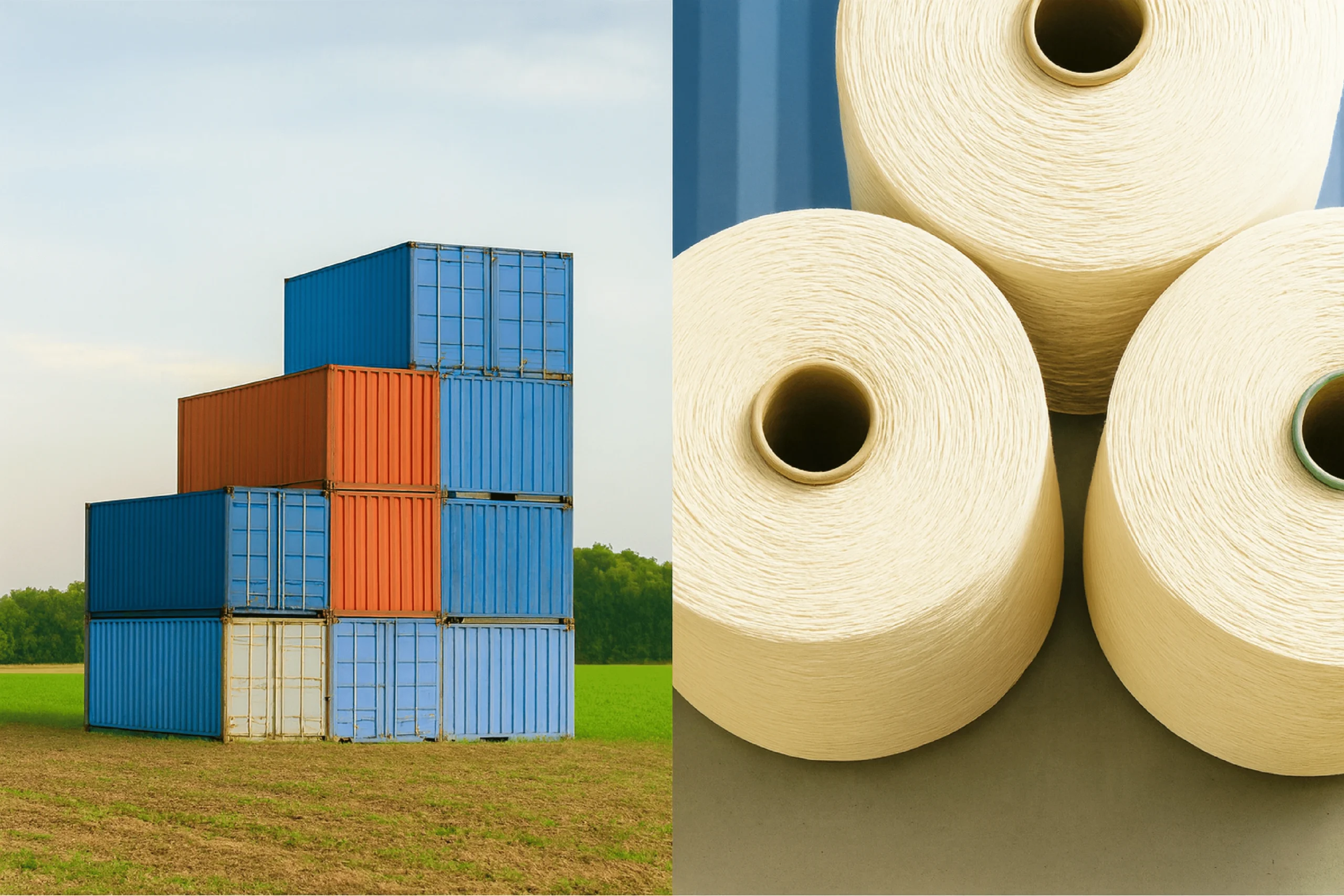
We take agricultural residues, hemp straw that farmers currently burn, bale, or neglect. And we convert it into ZyloPulp® dissolving pulp and ZyloTex® lyocell fibre and films. Those materials go into apparel, nonwovens, industrial textiles, and supply-chain-critical performance fabrics.
We are building material infrastructure, not participating in a lifestyle industry. If anything, we are restoring hemp to its original purpose: being useful.
A Final Thought
I sometimes imagine hemp as an old craftsman returning to a rebuilt city, no longer remembered for what it constructed, but still capable of building it again.
Canada has the land base, the growers, the research talent, and the industrial demand to make hemp a cornerstone of a regenerative manufacturing future.
We just need to see it clearly.
Not as cannabis. Not as controversy. But as a quiet, intelligent crop with a long memory and a lot to teach us.
At Zylotex, we intend to help remind the world what hemp is for. Because it is time this crop, and the communities around it, to reclaim their narrative.
For more information, contact:
Lelia Lawson, CTO & Founder, Zylotex p: 780-920-1530 e: llawson@zylotex.ca
About Zylotex
Zylotex transforms Canadian hemp straw into sustainable dissolving pulp and lyocell fibre, advancing clean-tech textiles and North American supply-chain resilience.
By replacing wood-derived man-made cellulosic fibres (MMCFs), Zylotex directly offsets pressure on ancient and endangered forests while creating a regenerative, annually renewable fibre source.
Our technology delivers a vegan, microplastic-free alternative to both animal- and fossil-based fibres, enabling brands to decarbonize their materials portfolio without compromising performance or scale.
In short: hemp, not trees — the future of textiles.